

What Does an Electrician Do?
Electricians utilize their skills and knowledge to install electrical power, lighting, communications and control systems in buildings. These systems are also maintained by electricians to make sure they perform effectively.
There are many options to become an electrician. Apprenticeships can be completed or you can pursue professional certifications. More lucrative earnings and better job opportunities are available for those who have completed industry-approved training courses.
Qualifications
To be able to perform their work safely, electricians need an array of qualifications. They also need to be certified to carry out work in domestic, industrial and commercial environments, and to maintain and repair electrical systems.
One of the most common methods to become electrician is through an apprenticeship. It involves on-site training and classroom education at a college or training center. It is regarded as the most effective method to obtain an entry-level position as a professional electrician. It generally is the most preferred option for those who are new into the industry.
A trade or vocational school can help you learn to become an electrician. This will provide hands-on training in the field you are interested in. These classes are usually 50/50 workshop and classroom based and cover the core maths, science , and the practical skills you need to become an electrician who is fully qualified.
There are uk electricians of certification available to electricians in the UK. The most difficult is the fully-qualified one. You will need to be able to pass a series tests in order to be eligible to receive this certificate.
A Level 2 & 3, electrical Diploma is another option to become an electrician in the UK. This is a prestigious qualification that offers a simplified learning process for apprentices and those who are looking to begin their own business. This certification replaces the earlier City & Guilds 2300 framework however, it's not mandatory to study this course to be an electrician.
In the same way, you can obtain a Level 2 or 3 Electrotechnical certification which is a fast-track option for those who are currently working as apprentices and want to advance into the role of maintenance or installation technician. This qualification replaces the 2357 in England when funding for apprenticeships shifts. However it is able to be studied anyplace in the UK.
As a UK electrician , you can earn a substantial income and have an incredibly flexible career in an employer-led or self-employed manner. Many electricians who are newly qualified opt to work for themselves in order to be more flexible in their work schedule and have more control over their earnings.
Conditions of Employment
Electricians are experts in the installation of wiring systems and components for all kinds of buildings, structures, and machines. They also install the control panels that control electrical equipment such as heating, lighting and air conditioning in homes and businesses. They also test and repair power generating stations and substations and maintain relays in service to connect the grid to homes or businesses.
There are many ways to become an electrician. They typically last for four years and consist of on-the-job training as in addition to time spent at a college during days or block release courses.
Apprentices must have at least GCSE's (A-C/1-3 in English maths, English and information technology.) They can also earn an NVQ Level 3 in electrotechnical maintenance or installation.
They must be competent in their area of expertise. This means that they have to pass an examination of competence and then become recognized by a professional certification scheme. This could be a government-backed scheme or a scheme run directly by the industry.
After they have mastered their skills, they are able to work for their company or as a subcontractor. They can also establish their own company for contracting.
These jobs often require them to travel to other businesses, homes or other sites. They could work regular hours or unsociable hours, depending on the nature of their job.
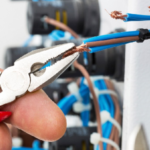
This kind of work could expose you to dirt and cold as well as being exposed to damp and cold conditions. You might also have to work at heights using equipment such as scaffolding, scissor lifts, and boom machines.
It's important for electrical workers to adhere to good health and safety standards. They must be equipped with the appropriate equipment and be properly trained to ensure that their work is in accordance with building regulations.
According to the Office for National Statistics, there are 275,000 jobs in the electrical and electric trades industries in the United Kingdom. electricians in the uk means that in 2019, there are 8.1 electrician trades jobs every 1,000 people living in the country. This is a rather high amount and indicates that there are many jobs for UK electricians.
Work-Life Balance
Today's workplace is on the cusp of work-life balance. Research suggests that 65% of UK workers prioritize a healthy work-life balance over pay and benefits when it comes to making job-related decisions.
It's a great thing to have, since it's vital for maintaining well-being and health at work. A lack of work-life balance can lead to mental and physical exhaustion which is often coupled with low productivity at work.
There are many different factors that can influence the work-life balance of a uk electrician. To make sure you have a balance, it is essential to think about the duration of your working week along with the nature and distance of work you are doing.
The most efficient way to achieve this is to create an environment in which everyone in the organisation can make informed choices about how they manage their time and what their priorities are. This can be achieved by offering flexible hours, flexible shifts or giving employees the option of working at home from time to time.
You can achieve a good balance between your work and personal life by encouraging a positive attitude and rewarding the hard work. It can be a motivator to reward those who have put in the effort to achieve their goals with something that is of worth.
You'll have to work for long hours as an electrician in the UK. But you can avoid burnout by taking good care of yourself and making sure you get enough sleep and regularly exercising.
In this episode of Job Routes we speak to James Chillman, the UK Country Manager of Fergus - a new job management system designed to assist electricians in keeping their work-life balance. Fergus was launched in the UK recently and is aiming to assist electricians in working more efficiently, while reducing stress.
The most important part of a work-life balance is to make sure that you're taking proper care of yourself throughout the day. This includes things like sleep, exercise and family time. It's also worth looking at your mental health, since mental illness is often linked to an inability to balance work and family life.
Potential for Earning
As with many professions, electrician salaries differ across the country. London electricians have higher salaries than those in other areas of the country. On the other hand, those who work in rural areas could expect to earn less.
Furthermore, the demand in the United Kingdom for electrical services is at an all-time high. This permits electricians to charge top prices for their work. This is reflected in recent figures, which show that a shortage of skilled electricians has led to a significant increase in salaries.
Joining an apprenticeship program is the best way to get started in this field. This gives you the chance to start your journey to becoming a fully qualified electrician with the help of your employer.
Alternately, you could opt to take a specialized electrical course to increase your earnings potential. Able Skills offers a variety of specialist electrical courses such as City & Guilds Level 2, 3 Domestic & Commercial Electrical Course qualifications. These courses can help you build a solid foundation of knowledge that will enable you to stand out from others.
You can also become an electrician before becoming an independent electrician. This allows you to set your own prices and also apply for jobs directly and also manage your own schedule. This can be a lucrative option for business however, you must be sure that you have the right professional skills.
It is crucial to provide exceptional customer service. This is vital to ensure the repeat business of your customers and positive online reviews. It is also essential to be able to negotiate with customers and solve any issues that could arise.
It's essential to manage your time effectively. This can mean juggling different projects or making sure that you get the most out of your time.
The median salary for UK electricians is PS35,514. This is more than the national average but it is only the starting point and does not reflect any significant difference in earnings between regions. This means that you could earn a lot of money in this field if you are a good worker.